Synchronizing Calendar Pressures: Analyzing How Fixture Congestion and Race Meeting Densities Affect Optimal Bet Construction for Sustained Profitability
Written by Otto Powell · Jul 28, 2026
Synchronizing Calendar Pressures: Analyzing How Fixture Congestion and Race Meeting Densities Affect Optimal Bet Construction for Sustained Profitability
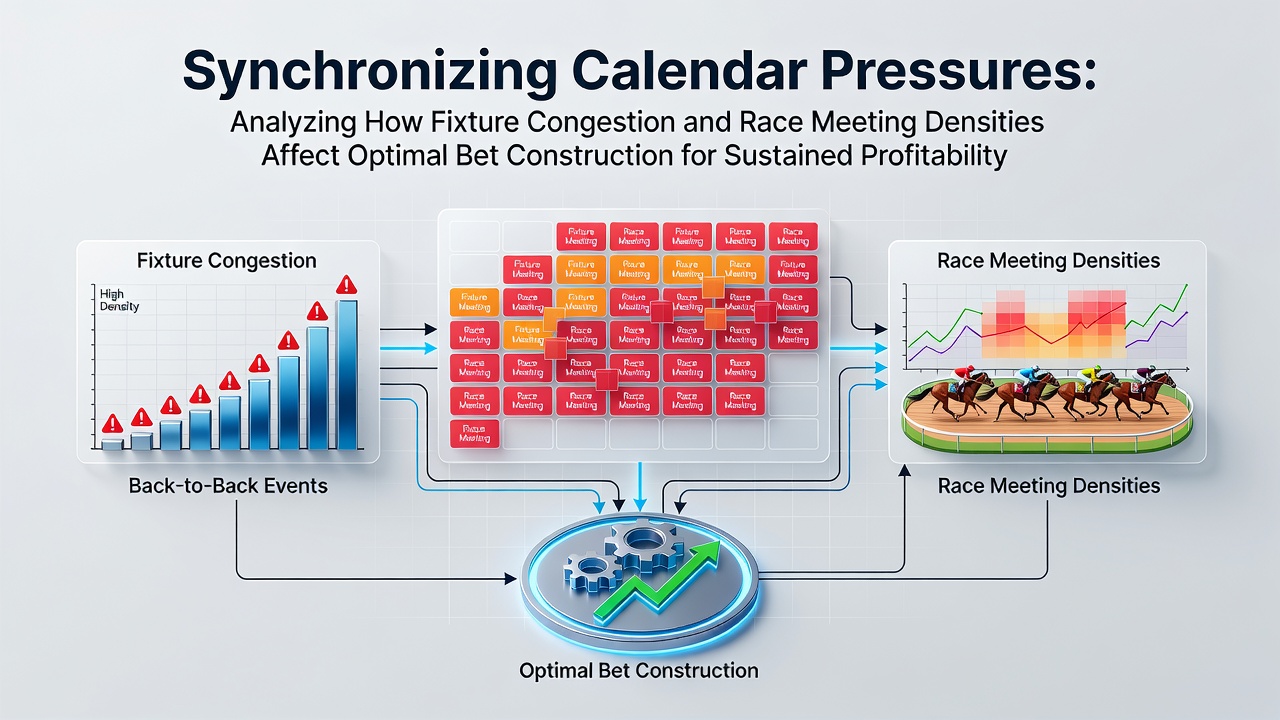
Fixture congestion in football and dense race meeting schedules create measurable pressures on participant performance; data from multiple seasons shows elevated fatigue markers, altered win probabilities, and shifted betting market efficiencies that reward structured bet construction approaches. Observers note that periods of overlapping demands, such as the winter months when domestic leagues intensify alongside trial gallops and listed events, force adjustments in stake allocation and market selection to maintain long-term returns.
Understanding Calendar Overlap Patterns
Football schedules pack multiple competitions into narrow windows, and horse racing calendars cluster meetings across regional tracks during peak seasons, which produces simultaneous strain on resources and recovery times. Research from the University of Queensland's Centre for Sport and Exercise Sciences indicates that teams and stables facing back-to-back commitments experience documented drops in key performance metrics, including sprint speeds for horses and high-intensity running distances for players. These patterns repeat annually, yet July 2026 stands out because pre-season tours coincide with early Australian winter racing carnivals, creating cross-hemisphere data points for analysts tracking recovery curves.
Bet constructors respond by mapping these overlaps against historical results rather than relying on surface-level form; they identify windows where rested squads or fresh runners hold statistical edges, then build singles and small multiples around those specific conditions instead of forcing larger accumulators through congested blocks.
Performance Data and Market Adjustments
Figures from European sports science databases reveal that football sides with fewer than four rest days between matches record win rates approximately 12 percent lower than their season averages, while horses competing within seven days of a prior start show reduced strike rates in handicap events. Such evidence prompts bettors to recalibrate expected values, often shifting from goal totals or outright winners toward place markets or each-way structures that buffer against underperformance during high-density periods.
Football Fixture Clusters
League and cup double-headers, combined with international call-ups, generate fixture piles that stretch squad depth; analysts track minutes played per player and correlate those loads with subsequent results. When data shows a concentration of matches across a three-week span, optimal construction favors under selections on total goals or spreads that account for reduced tempo, rather than chasing high-odds accumulators that ignore the fatigue variable.
Race Meeting Densities and Recovery Windows
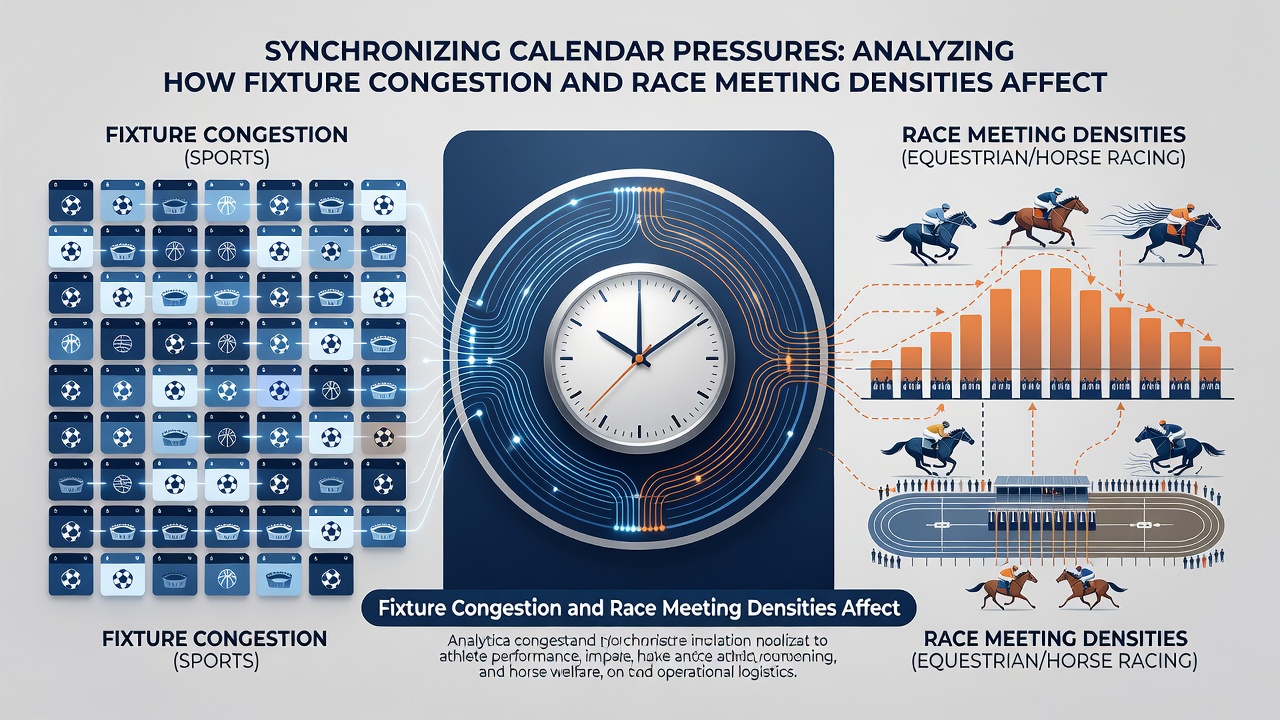
Provincial and metropolitan tracks schedule consecutive days of racing during summer and winter festivals, which compresses preparation cycles for trainers and jockeys alike. Data compiled by Australian racing authorities demonstrates that runners with extended intervals between starts maintain higher strike rates across distance categories, prompting bet builders to prioritize those entries when constructing each-way doubles or trebles that span multiple meetings.
Coordinated calendars also allow cross-sport linkages; a dense football weekend often aligns with major race days, and those who study both codes adjust stake sizes downward during simultaneous peaks to preserve bankroll stability across the full month.
Constructing Bets Around Congestion Metrics
Effective approaches begin with quantitative mapping of rest days, travel distances, and prior workload, then layer market selections that exploit the resulting inefficiencies. For instance, studies in the International Journal of Sports Science and Coaching highlight that football sides returning from midweek European ties underperform in domestic fixtures by measurable margins, which supports targeted bets on opponent win or draw outcomes rather than blanket accumulators. Similarly, race programs with clustered feature events see class droppers and course specialists outperform when given adequate spacing, guiding constructors toward value in place markets over win-only singles.
Those constructing portfolios during July 2026 will examine the overlap between northern hemisphere pre-season friendlies and southern hemisphere winter carnivals, then size positions accordingly; smaller, higher-confidence bets replace larger combinations when multiple variables converge.
Long-Term Profitability Through Schedule Awareness
Sustained returns depend on avoiding forced volume during peak congestion and instead concentrating activity in lower-density intervals where performance baselines remain more stable. Industry reports from the Canadian Centre for Ethics in Sport document how consistent application of workload filters improves overall yield across betting portfolios, while ad-hoc selections without calendar context show higher variance and faster drawdown.
By integrating fixture lists, race programs, and recovery statistics into a single workflow, bet constructors create repeatable edges that compound over multiple seasons rather than relying on isolated hot streaks.
Conclusion
Calendar pressures from fixture congestion and race meeting densities reshape performance distributions in predictable ways, and bet construction that incorporates these patterns produces more resilient selections across football and racing markets. Data-driven mapping of rest intervals, workload accumulation, and historical outcomes supplies the foundation for decisions that prioritize consistency over volume, supporting profitability through successive cycles of overlapping schedules.