Seasonal Migration Patterns of Elite Athletes Between Leagues and Their Unexpected Echoes in Thoroughbred Relocation Schedules for Layered Multi-Bet Constructions
Written by Otto Powell · Nov 9, 2026

Seasonal Migration Patterns of Elite Athletes Between Leagues and Their Unexpected Echoes in Thoroughbred Relocation Schedules for Layered Multi-Bet Constructions
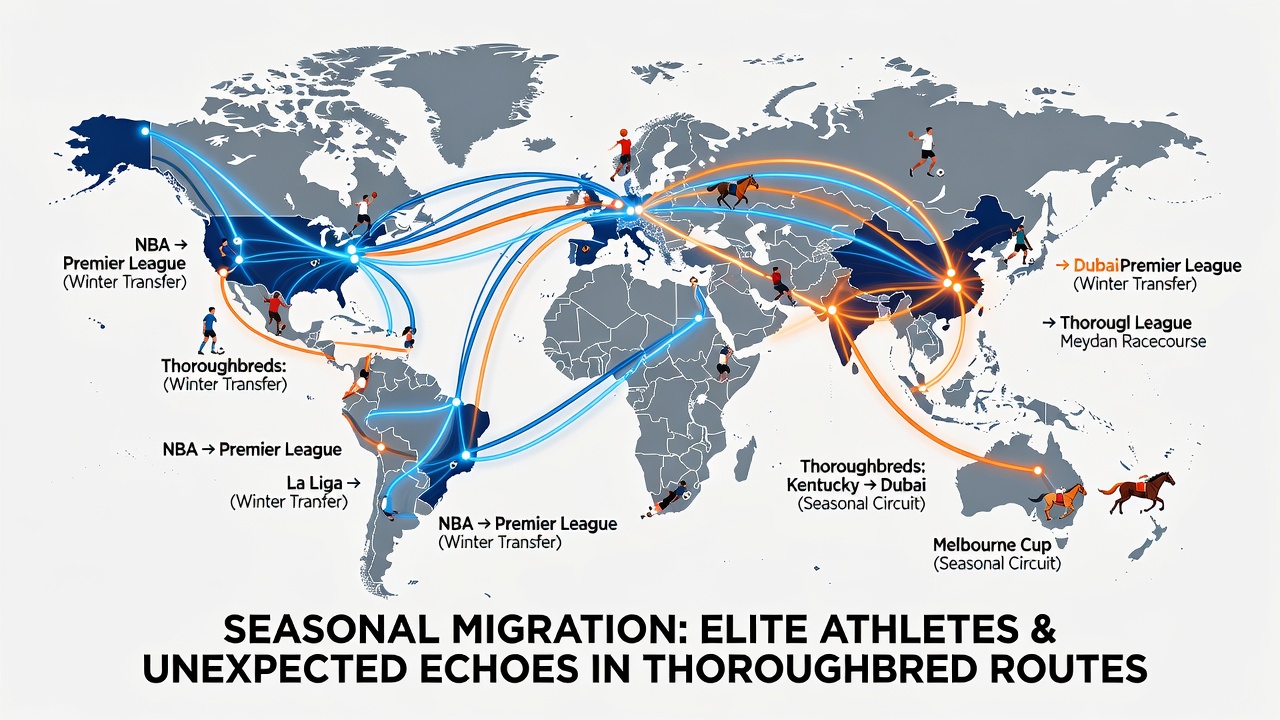
Elite athletes often shift between leagues as seasons change, with soccer players moving from European winter breaks to Major League Soccer contracts in North America while basketball stars follow similar routes from European clubs back to NBA rosters or Asian leagues during off periods, and data from industry reports tracks these movements year after year. Thoroughbred horses follow parallel relocation schedules, traveling from northern hemisphere tracks to southern circuits during opposite seasons, and these patterns create overlapping timelines that inform layered multi-bet constructions across football accumulators and horse racing markets.
Athlete Transfers and League Shifts
Researchers tracking global sports labor markets note that player migrations peak in January and June windows, when clubs in warmer climates acquire talent from colder regions, and figures from sports migration studies reveal thousands of transfers annually between continents. In November 2026 observers expect similar spikes as European leagues enter mid-season breaks and American leagues prepare for their campaigns, creating data points that tipsters incorporate into accumulator selections. These movements affect team performance metrics, squad depth, and tactical styles, while statistics compiled by organizations such as the Australian Sports Commission document how relocation influences injury rates and adaptation periods across multiple codes.
Thoroughbred Circuits and Seasonal Routes
Thoroughbred relocation follows established calendars, with horses shipping from European bloodstock centers to Australian and New Zealand tracks during northern winters, and return journeys occur as southern seasons conclude. Racing authorities record these movements through official databases, and patterns show concentrations of high-value runners arriving in key jurisdictions during specific months. The resulting form changes appear in gallop trials and barrier tests, supplying fresh inputs for bet builders that combine football goal markets with each-way horse selections.
Overlaps in Timing and Data Integration
November 2026 sits at the intersection of several migration cycles, when football squads adjust to new signings and racing stables finalize southern hemisphere campaigns, and analysts cross-reference transfer windows with horse transport logs to identify correlations. Studies from academic sources including the Institute of Sport Economics at the University of Cologne examine how such timing alignments influence betting market liquidity and odds movement. Layered multi-bet constructions therefore draw on both datasets, pairing selections from leagues experiencing roster turnover with races featuring newly arrived runners.
Market Applications and Construction Methods
Bet builders incorporate these relocation signals by weighting selections according to adaptation timelines, with football teams fielding recent arrivals often showing altered pressing intensity in early fixtures, and horses traveling across hemispheres requiring documented recovery periods before peak performance. Data indicates that combining these factors into accumulators produces varied payout structures, while regulatory frameworks in multiple jurisdictions require transparent disclosure of how such information reaches the public. Observers note that successful constructions frequently layer a primary football treble with secondary horse racing legs timed to coincide with documented migration peaks.
Conclusion
Seasonal migration patterns of elite athletes and thoroughbreds continue to supply measurable data points for layered multi-bet constructions, and records from November 2026 onward will add further examples to existing datasets. Those who monitor official transfer logs alongside racing authority transport schedules gain access to timing information that aligns across codes, supporting objective analysis of accumulator structures without reliance on subjective interpretation.