Seasonal Fixture Overlaps and Their Effect on Multi-Discipline Stake Structures Across League Encounters and Track Events
Written by Yara Albrecht · Oct 26, 2026
Seasonal Fixture Overlaps and Their Effect on Multi-Discipline Stake Structures Across League Encounters and Track Events
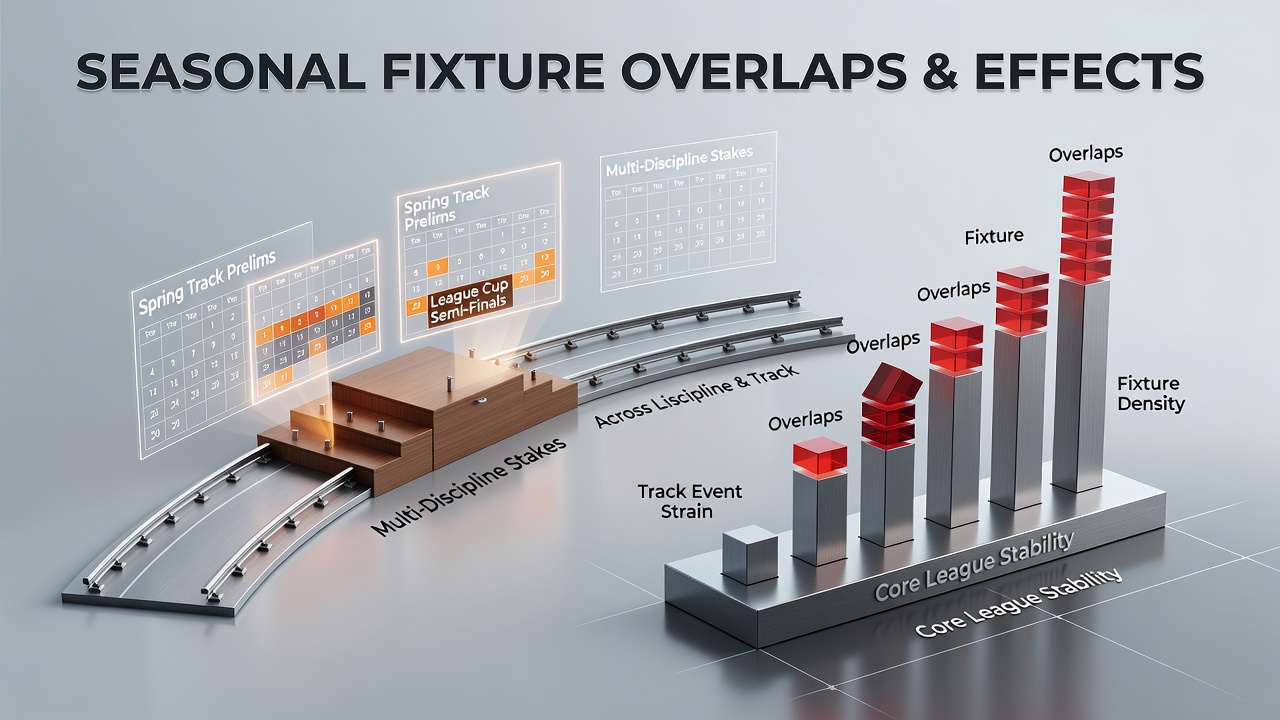
Seasonal fixture overlaps occur when major football league schedules coincide with key horse racing meetings, which creates complex conditions for multi-discipline stake structures that combine bets across both sports. Observers note that these periods stretch from late summer through autumn when domestic football campaigns run alongside flat and jumps racing calendars in multiple regions, and data from scheduling authorities shows increased volumes of cross-sport accumulator wagers during such windows. In October 2026, for instance, several European leagues reach mid-season intensity while Australian and North American tracks host major championship events, which forces bettors and analysts to adjust stake allocations across simultaneous markets.
Patterns of Overlap in Global Calendars
Football leagues typically operate on nine-month cycles that run from August to May in the northern hemisphere, whereas horse racing maintains year-round activity with peaks tied to weather and major festivals. Researchers at the Canadian Gaming Association have documented how these timelines intersect most sharply in October, when Premier League and Champions League fixtures share weekends with Breeders' Cup preliminaries or equivalent regional meets. Such overlaps produce denser fixture lists that affect liquidity in accumulator pools, because participants often spread stakes across both football goal markets and horse place or win bets within the same betting slip structure.
Those who track multi-discipline wagering patterns find that stake structures shift when overlaps intensify. Single-sport accumulators give way to hybrid multiples that pair league encounters with track events, and this adjustment alters risk distribution because football results and racing outcomes respond to different variables such as player availability or track conditions. Evidence from industry reports indicates that operators respond by offering dedicated bet-builder tools that allow conditional staking across the two disciplines during these high-density periods.
Adjustments in Stake Allocation and Risk Management
Multi-discipline stake structures require recalibration when fixture density rises, because the probability calculations for combined bets must account for correlated fatigue factors in football squads and variable going reports at racing venues. Studies compiled by the Australian Institute of Sport reveal that teams playing midweek European fixtures often show measurable drops in performance metrics the following weekend, while novice riders or horses returning from layoffs at overlapping track meetings introduce separate variables into the same accumulator. Bettors therefore redistribute portions of their stakes toward each-way options or cash-out triggers to manage exposure across the dual calendar load.
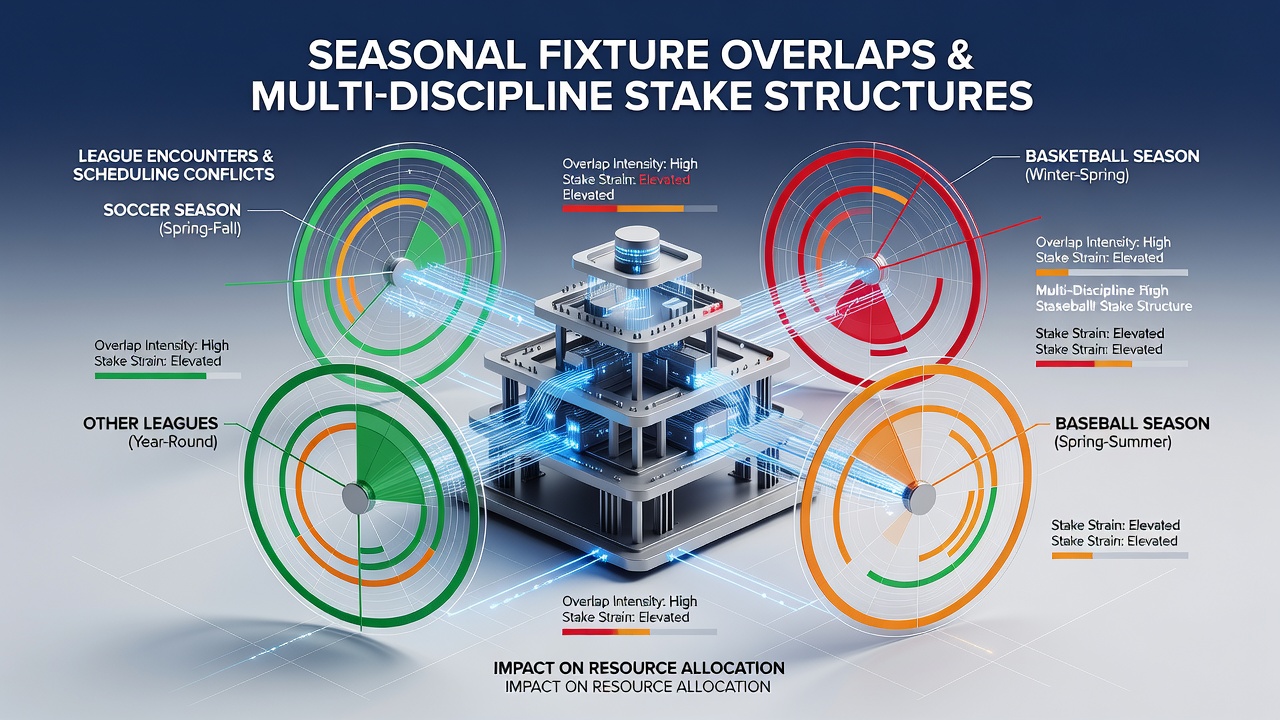
Operators adjust maximum payout caps and minimum stake thresholds during these windows to reflect the combined variance. Figures released by European gaming regulators show elevated use of partial cash-out features when football matches and racing cards run on the same day, which allows participants to lock in portions of returns before all legs conclude. The reality is that such mechanisms become more prominent precisely because fixture overlaps compress decision timelines and increase the number of variables within a single betting structure.
Regional Variations and Market Responses
Different jurisdictions experience distinct overlap profiles. In North America, Major League Soccer schedules sometimes collide with thoroughbred racing at tracks like Keeneland or Santa Anita during September and October, while in parts of Asia the J-League and local racing festivals create parallel demands on accumulator platforms. Analysts tracking these patterns observe that markets respond with specialized promotions that bundle football draw-no-bet options with horse racing place terms, which maintains engagement without altering core stake mechanics.
Data from university-led research on sports scheduling at institutions in Canada and Australia further indicates that travel demands and fixture congestion produce measurable effects on both football team outputs and equine performance metrics. These findings feed directly into the algorithms that underpin multi-discipline betting products, prompting operators to refine odds compilation processes ahead of peak overlap weeks such as those anticipated in October 2026.
Conclusion
Seasonal fixture overlaps shape multi-discipline stake structures by increasing the number of simultaneous variables that bettors and operators must weigh. Evidence from regulatory bodies and research institutions demonstrates consistent patterns of stake redistribution, product adaptation, and risk management adjustments across football league encounters and track events. As calendars continue to align in future seasons, these interactions remain central to how cross-sport wagering evolves.